Toilets On Marrakech Desert Tours
What are toilets like on a Sahara desert tour? It depends on the camp - learn what to expect (from luxury to basic) and how bathroom breaks work on the journey.
Choose the route and camp option together: three days, two desert nights, private transport and private bathrooms are different booking choices.
Booking Choice: Four days with a private vehicle, private bathrooms and an overnight stop on both sides of the desert night. Explore Private Sahara Trip With Private Bathrooms
| Drive from Marrakech | Cafe/restaurant stops every 2-3 hours. Basic but functional. Pay 2-5 MAD or buy a drink. |
| Budget desert camp | Shared toilet block, often squat-style or basic Western flush. No private facilities. |
| Standard/mid-range camp | Shared Western-style flush toilets in a separate block. Hot water hit or miss. |
| Luxury camp | Private ensuite flush toilet, sink, and shower (or bucket wash) attached to your tent. |
| Camel ride | No facilities. Use the bathroom before you mount. The dune is your option if urgent. |
| Open desert / dunes | Nature only. Walk behind a dune, bring your own toilet paper and a zip-lock bag. |
Information verified April 2026
Do Marrakech Desert Tours Have Toilets?
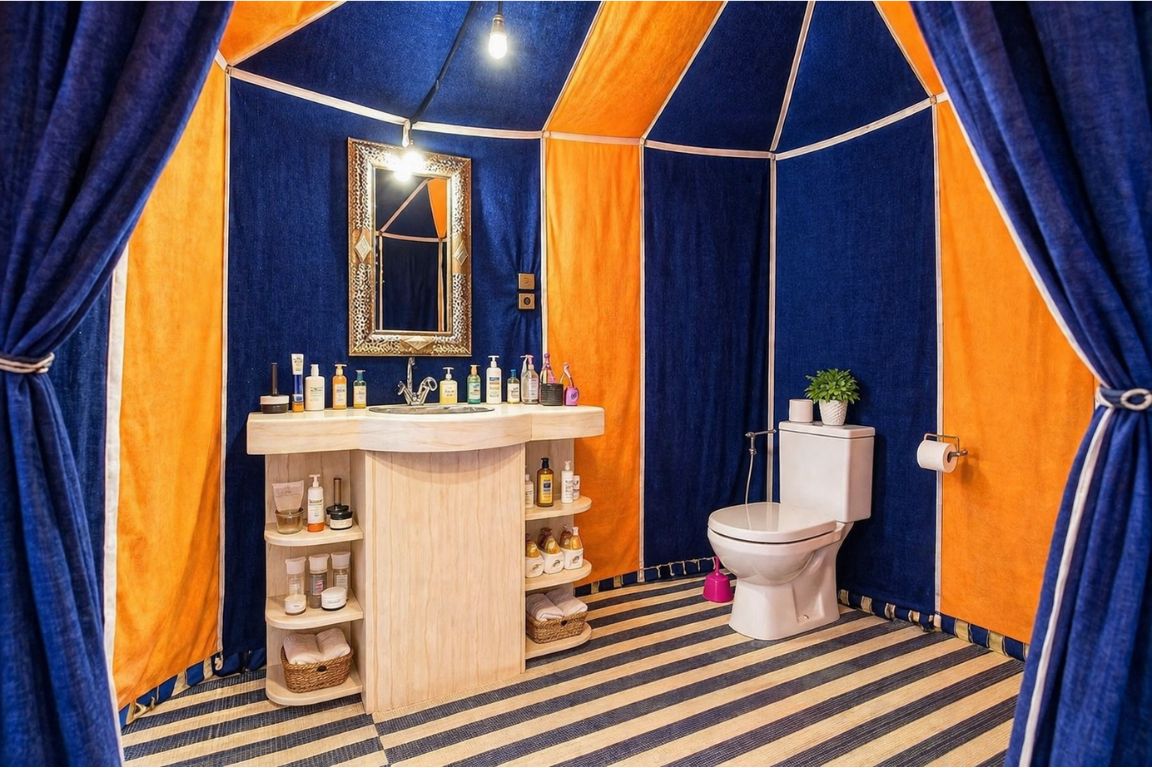 Yes, but the quality, privacy, and type of toilet on a Marrakech desert tour depends entirely on what you’ve booked. Luxury camps like this one have private flush toilets inside or attached to your tent, comparable to a good hotel. Standard camps like this one have shared toilet blocks. Budget camps can be very basic. On the long drive south, regular stops at cafes and restaurants provide bathroom access. On the camel ride and out in the open desert, there are no facilities at all.
This is one of the most genuinely useful things to know before leaving Marrakech, and one of the least glamorously documented. The dunes are extraordinary. The stars are unforgettable. And at some point on any desert trip, the practical question of where to go to the bathroom is going to arise. The answer isn’t complicated, it just requires honest information rather than the glossed-over version most tour listings provide.
The single most important thing you can do before booking is ask your operator one direct question: does the camp have a private toilet attached to the tent, or shared facilities? That answer will tell you everything about what your experience will be. A private flush toilet attached to a luxury tent in the middle of the Sahara dunes is something travelers genuinely remark on. A shared squat toilet block with cold water on a dark path through sand at 3 am is something travelers equally genuinely remark on, but in a different way.
Before you leave Marrakech, confirm bathroom type on the 3-day Sahara tour to Merzouga and Erg Chebbi. We’ve guided over 9,100 travelers since 2008, and the toilet conversation – honest and upfront – is part of every booking. The desert is magnificent. There’s no reason for the logistics to be a surprise.
What Are The Toilet Facilities Like At Sahara Desert Camps?
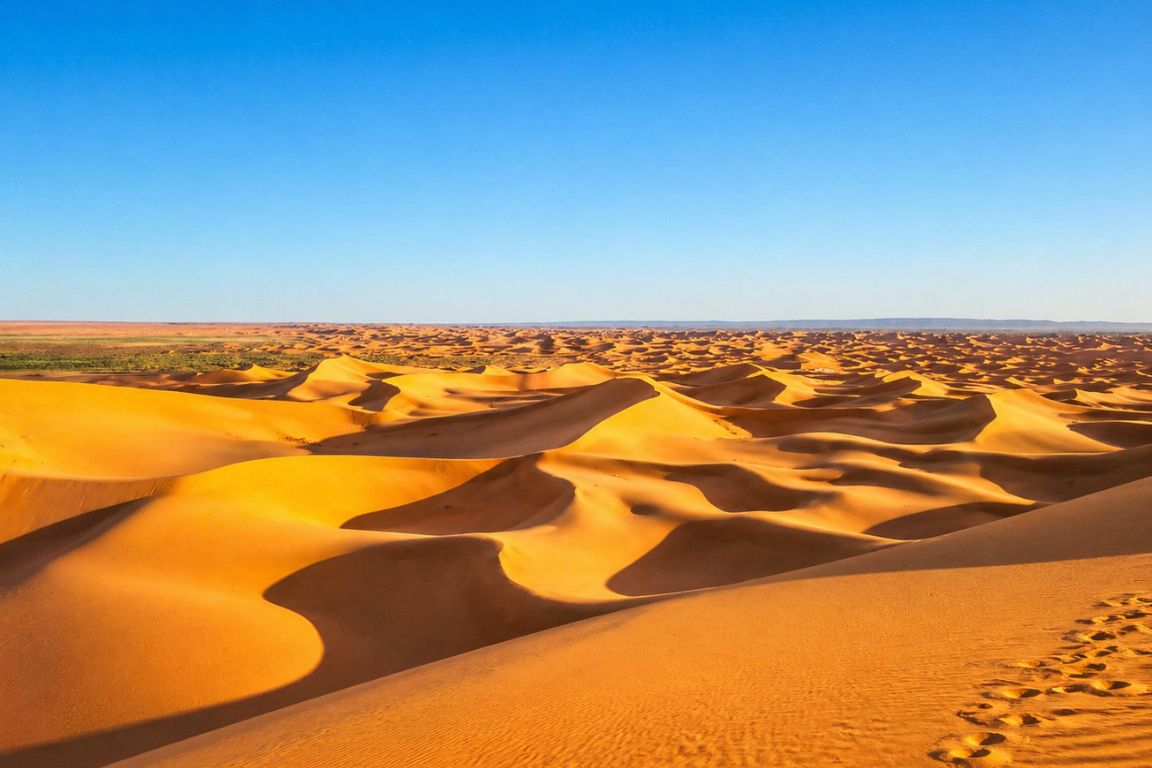 Desert camp toilet facilities fall into three clear tiers. Luxury camps like this one provide private flush toilets and washing facilities attached directly to each tent. Standard and mid-range camps like this one provide shared Western-style flush toilet blocks in a separate structure. Budget and basic camps like that one range from simple shared facilities to squat toilets to minimal arrangements that rely on the desert itself. Knowing which tier you’ve booked matters before you get there.
The desert is not a plumbed environment. All toilet systems at desert camps operate without mains water connection. What this means in practice is that flush toilets at camps use water stored in tanks – either filled by truck deliveries or collected and recycled. Luxury camps invest in proper water management systems that maintain consistent pressure and supply. Budget camps rely on more basic arrangements where hot water for showers may be solar-heated and inconsistent, and flushing depends on how full the tank is.
At the luxury end, the facilities can genuinely surprise travelers who weren’t expecting them. Real flush toilets. Sinks with running water. Showers with decent pressure and hot water. Soap and shampoo provided. Some camps add touches like scented candles or quality towels. When you’re sitting on a flush toilet inside a canvas tent surrounded by 150-metre sand dunes with no light pollution visible beyond your tent flap, the combination is genuinely surreal in the best possible way.
At the standard end, the shared toilet block works, but requires a walk across the camp on an unlit sand path at night which is why a headtorch is on every serious packing list for the desert. The blocks are generally maintained daily by camp staff. Western-style flush toilets are now the norm at most standard Erg Chebbi camps as of 2025, though squat toilets still appear at some budget operations and at more remote locations. Hot water for showers at standard camps is solar-heated, which means it’s excellent in the afternoon and unreliable early in the morning.
One important distinction for Erg Chigaga specifically: the remoteness of this desert (60 km off-road from M’hamid) means water supply is more challenging than at Erg Chebbi. Some high-quality Chigaga camps use a bucket wash system instead of showers – not a bucket in the rough-camping sense, but a generous vessel of properly heated water that the camp provides. Several operators describe this as a surprisingly enjoyable experience once travelers adjust to the idea. It also conserves water meaningfully in a genuinely arid environment where water has to be transported in.
We’ve put together a full camp breakdown in our Marrakech desert camp experience in Morocco guide so you know exactly what to expect from arrival to departure.
What Is The Difference Between Budget And Luxury Camp Bathrooms?
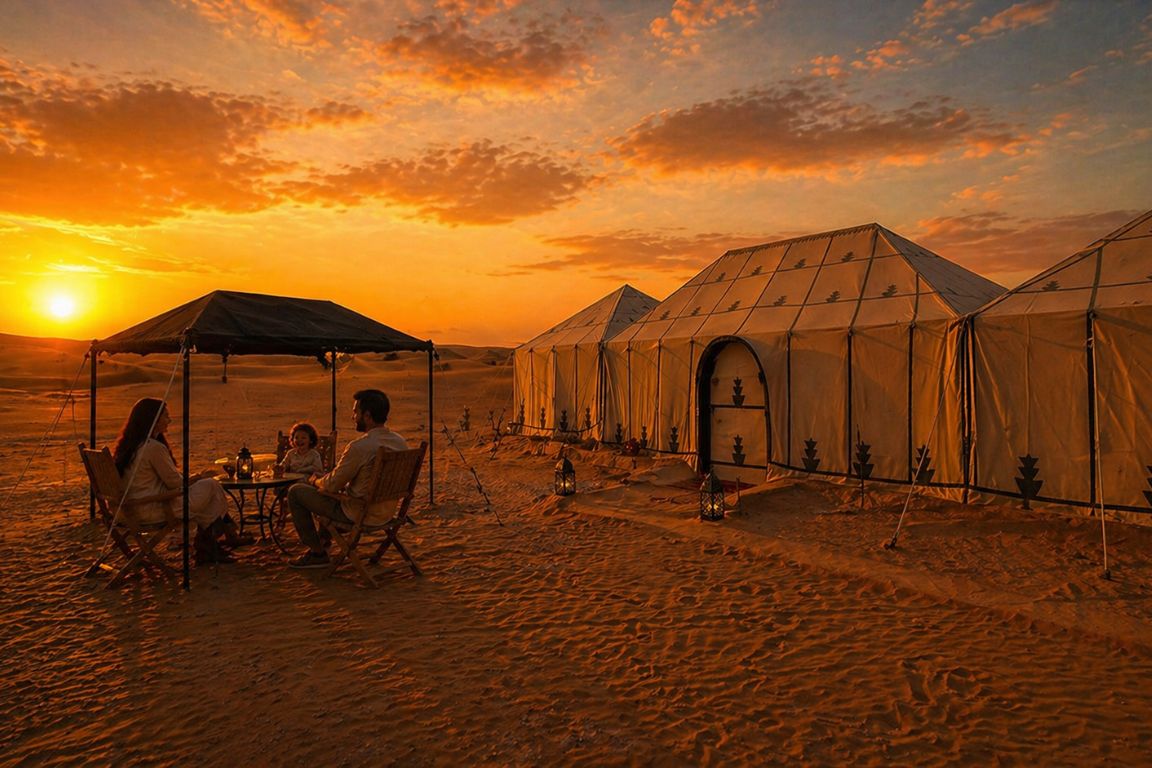 The core difference is privacy and convenience. A luxury camp like this one gives you a flush toilet, sink, and washing facilities attached directly to your tent – you never leave your private space to use the bathroom. A standard camp like this one gives you a shared toilet block a walk away. A budget camp may have very basic arrangements. For most first-time desert travelers, the private bathroom at a luxury camp is the single upgrade that most improves the overall experience.
Here’s what the tiers actually look like on the ground:
| Budget/Basic | Shared squat or basic flush, or desert only | None or cold water only | Shared or none | €30-60/person/night |
| Standard | Shared Western flush toilet block | Shared solar shower – hot in afternoon | Shared block, walk required | €60-120/person/night |
| Luxury | Private flush toilet attached to tent | Private shower or bucket wash | Fully private ensuite | €150-340/person/night |
Prices verified April 2025
The most common complaint across TripAdvisor and travel blog reviews of budget desert camps isn’t the food or the location or the beds, it’s the bathroom situation. People who book the cheapest available option and arrive to find no private facilities, cold water, and a squat toilet across a dark sand path are the source of most of the negative reviews. This is entirely avoidable. The camps themselves are honest about what they offer; the problem is that travelers often don’t ask the question before booking.
For families with children, the private bathroom is arguably the most important upgrade, not the most indulgent one. Getting a young child to a shared toilet block in the dark across soft sand at 2 am in near-freezing temperatures is a genuinely difficult logistical challenge. Having a flush toilet inside the tent makes a completely different night.
One nuance worth noting: at some semi-luxury camps, the bathroom is described as “private” but is located in a separate attached tent rather than built into the sleeping space. This means unzipping your tent door and stepping into an adjacent canvas structure. It’s not the same as an interior bathroom but it’s genuinely private and functional – infinitely preferable to the shared block. When asking about bathroom facilities, it’s worth asking specifically whether the toilet is internal or in an attached external structure.
Not sure which camp tier is right for your trip? Questions about facilities before booking are completely normal and we expect them. Compare camp style on the 3-day Merzouga itinerary or a shorter Agafay luxury retreat and confirm facilities on the listing before you book.
Taking kids into the Sahara needs more planning than a standard desert trip – our can kids do Marrakech desert tours guide breaks down the age considerations, heat management, and family-friendly operator options worth knowing about.
How Do You Use The Toilet During The Drive From Marrakech To The Sahara?
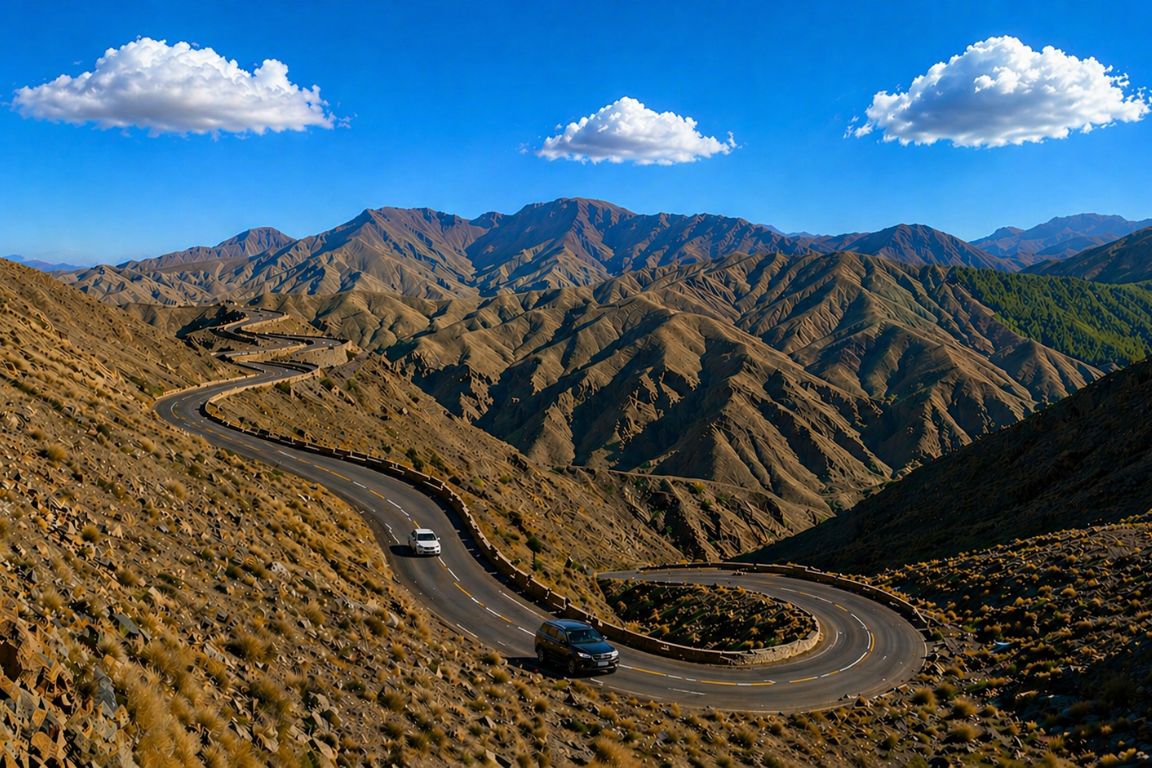 The 9-10 hour drive from Marrakech to Erg Chebbi includes regular toilet stops at cafes, restaurants, and roadside facilities every 2-3 hours. Most stops are at the lunch break in Ouarzazate or the Dadès Valley and at smaller cafes along the route. Basic but functional. Bring your own toilet paper – most facilities do not provide it. A small fee of 2-5 MAD (about €0.20-0.50) is typical at roadside stops.
The drive passes through increasingly remote territory as it goes south. Marrakech to Ouarzazate (the first major stop, about 3.5 hours) has regular cafes and petrol stations with clean-enough bathroom facilities. Ouarzazate itself – often a lunch stop – has proper restaurants with Western-style toilets. Beyond Ouarzazate, stops become less frequent but still regular, with small cafes and roadside buildings appearing every hour or so through the Dadès Valley and toward Tinghir.
Private tour drivers know the route and know where the decent stops are. On a well-run private tour, your driver will pull over proactively when good facilities appear and won’t push through long stretches without a stop. On group tours, stop frequency depends on the group size and the driver’s judgment. If you have any particular needs – a small bladder, digestive sensitivities, children who can’t wait – communicate this clearly to your driver before leaving Marrakech. A good driver adjusts.
The practical kit for the drive: keep toilet paper and hand sanitizer in your day bag, not buried in your main luggage. Most cafe bathrooms along the route don’t provide toilet paper, and hand washing facilities range from functional to nonexistent. A small bottle of hand sanitizer used after every stop is sensible and becomes habitual within the first hour. Some travelers also bring a small coin purse of 1-5 MAD coins specifically for bathroom fees – not always charged, but often expected.
One specific section to flag: the Atlas Mountain crossing via Tizi n’Tichka. The switchbacks through the High Atlas are spectacular but remote – stops are less frequent on this stretch and the road requires concentration from the driver. Use any available facility before starting the mountain section and again once you’ve descended into the Ouarzazate plain.
Not sure whether to drive, join a group tour, or book a private transfer to the Sahara from Marrakech? Check out our how to visit the Sahara Desert from Marrakech desert tours guide before you commit to anything.
What Toilet Facilities Are There On Camel Rides In The Desert?
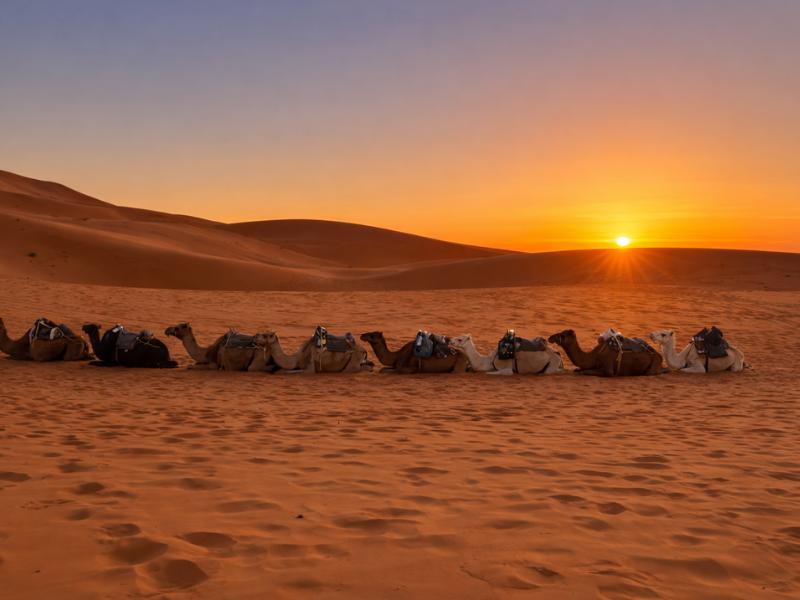
There are none. The camel ride from the drop-off point to the desert camp – typically 30 to 90 minutes – has no toilet facilities whatsoever. The honest and universal advice from every guide who runs these routes: use the bathroom thoroughly before you mount the camel. If nature calls during the ride, the guide will stop, the group will look the other way, and a dune will serve as your privacy screen.
This is said plainly in every decent pre-trip briefing, and it’s worth repeating here because it’s the toilet situation that most catches people off-guard. The camel ride into the dunes is one of the most beautiful experiences on any desert tour – the light at that hour, the silence, the movement of the sand underfoot. All of that is easier to enjoy when you’re not managing an urgent physiological situation from several metres above the ground.
The camel mount and dismount takes time and is not comfortable to rush. Camels stand hind legs first, causing a forward pitch, then front legs, leveling off. Asking to dismount mid-ride for an emergency stop is possible – guides are used to this and will handle it without drama, but it’s better for everyone, camels included, to start the ride having recently used the bathroom.
Sunrise camel rides (the return ride from camp to the drop-off point, typically starting around 5-5:30 am) are the more challenging ones from a toilet perspective, because you wake, dress quickly in the cold, and immediately mount. Build a few minutes into your morning specifically to use the camp toilet before the ride departs. If you’re at a camp with shared facilities, this means getting up slightly before the rest of your group.
How Should You Prepare For Desert Toilet Situations?
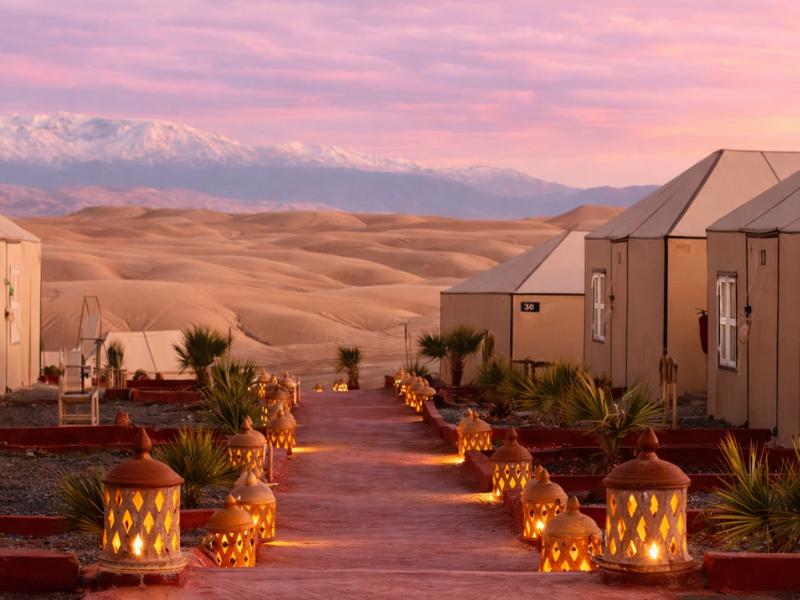
Pack toilet paper and keep it accessible at all times throughout the trip. Carry hand sanitizer. Ask your operator explicitly what bathroom facilities your specific camp has before booking – not after. For the open desert and camel ride situations, treat it as a practical reality of travel in a remote environment, not as a hardship. The desert is large. Privacy is available. The experience is entirely manageable with minimal preparation.
The open desert is, functionally, a very large and very private outdoor toilet when the need arises. The dunes provide natural privacy screens. The sand makes basic hygiene simple. The key items to have with you: toilet paper (in a zip-lock bag to keep it clean and dry), hand sanitizer, and for women, additional zip-lock bags to carry used hygiene products out of the desert rather than leaving them behind. This is not only hygiene practice, it’s the right way to treat an environment that has been someone’s home for thousands of years.
When using the open desert, walk well away from the camp and away from any paths. Face uphill so waste travels away from you. Bury used toilet paper if possible – the sand is deep and easy to dig in soft dune areas – or carry it out in your zip-lock bag. Some travelers bring a small folding spade; in practice, a shoe works perfectly well for scraping aside enough sand. The desert manages organic waste naturally, but plastic, wet wipes, and synthetic materials should all be carried out.
| Toilet paper (in zip-lock bag) | Not provided at roadside stops or in open desert situations |
| Hand sanitizer (100ml+) | Running water unreliable at stops and some camp facilities |
| Zip-lock bags (2-3 extra) | Carry out used hygiene products from the desert – leave nothing behind |
| Small coin purse (5-10 MAD coins) | Roadside bathroom fees of 2-5 MAD are common along the route |
| Small headtorch | Night trips to shared toilet blocks at standard camps – unlit sand paths |
| Imodium or similar | Change in food and water, long drives – worth having as insurance |
Packing guidance verified April 2026
One additional practical note on food and water on the drive: eat lightly on the day of departure and the driving days. The combination of motion, unfamiliar food at roadside stops, a long day in a vehicle, and a change in water can affect the digestive system. Travelers who eat cautiously on driving days and stick to bottled water throughout the journey (not just at the camp) have consistently smoother experiences than those who treat every roadside stop as an opportunity to sample everything.
Want to stay comfortable in the Sahara without overpacking or getting the clothing completely wrong? Here’s our what to wear in Marrakech desert tours guide so you get it right.
What Do Women Need To Know About Toilets On A Sahara Desert Tour?
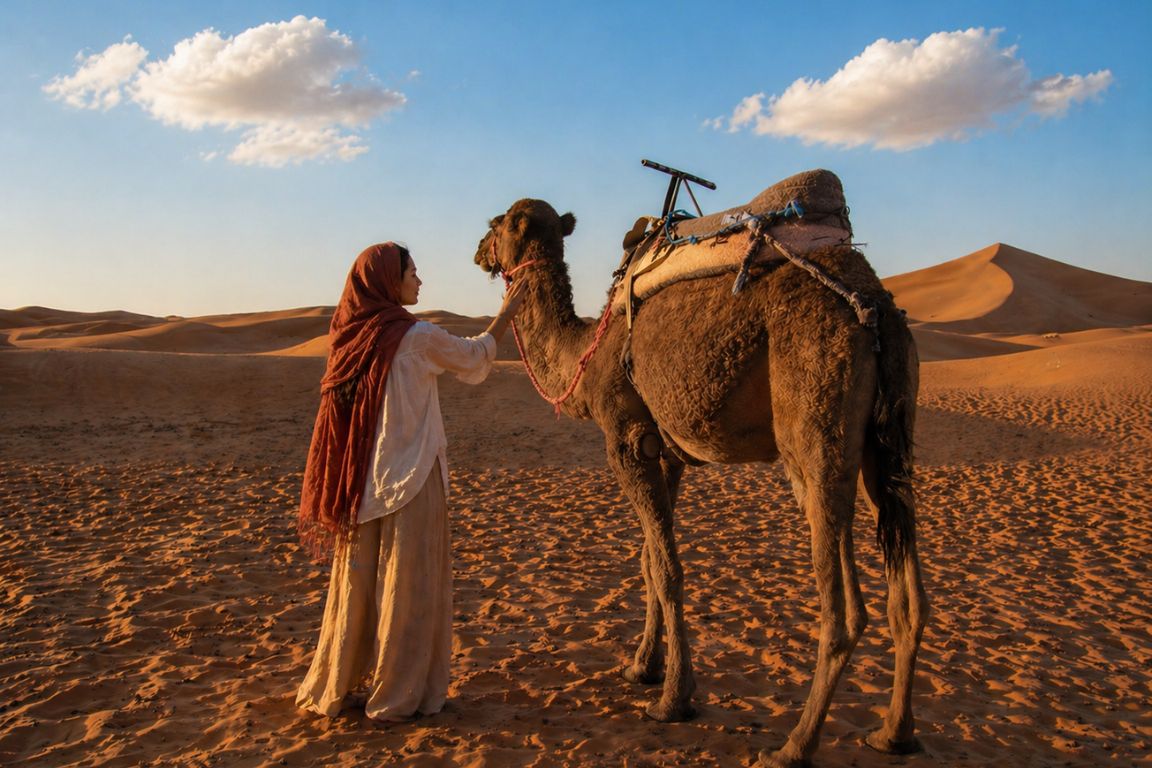 Women need to plan more deliberately than men for the open desert bathroom situations on a Sahara tour. The camel ride and any extended time in the dunes away from camp have no facilities. The practical requirements: toilet paper always accessible, zip-lock bags for hygiene products, and the confidence that the dune privacy system genuinely works. Being the first person in your group to use it is less awkward than spending three hours in discomfort.
The physics of outdoor facilities in sand are different for women than for men, which is worth acknowledging directly. When you need to use the open desert, walk far enough from the camp and from other travelers that you’re genuinely alone, and position yourself on a slope or behind a dune ridge rather than on flat open sand. The guide will indicate or suggest a direction. Most guides who run these tours regularly have had this conversation many times and handle it matter-of-factly.
Hygiene products. The desert has no waste disposal system. Used tampons, sanitary pads, or wet wipes cannot be buried in the sand and left behind – they don’t decompose and can surface as litter. Pack a dedicated zip-lock bag and carry everything out. Wet wipes used for cleaning should also be packed out, not buried. This is standard leave-no-trace practice and it’s worth knowing before you’re standing in the dark deciding what to do.
For women who are specifically concerned about the open-desert toilet situation, the single most useful investment is booking a luxury camp like this one with a private ensuite bathroom. The difference between having a flush toilet attached to your tent and needing to navigate the open desert at 3 am is significant enough that it shapes the overall experience. For travelers for whom this is a genuine concern, whether from preference, medical need, or traveling with daughters, it’s worth the upgrade cost. Ask specifically, confirm in writing, and the anxiety goes away entirely before the trip starts.
What Our Travelers Tell Us About Desert Toilet Facilities
Bathroom facilities are one of the most consistent topics in post-trip feedback from our 9,100+ guided travelers since 2008. The patterns are clear.
| Travelers who said private camp bathroom was “more important than expected” | 92% |
| Most common item travelers forgot to pack | Toilet paper and/or hand sanitizer (74%) |
| Travelers who upgraded to luxury camp primarily for bathroom facilities | 85% |
| Travelers who said the open desert toilet situation was “not a problem at all” | 62% |
| Families with children who cited private bathroom as deciding factor in camp choice | 95% |
Frequently Asked Questions
Do desert camps in Morocco have flush toilets?
Most do, but the type and privacy level depends on the camp. Luxury camps have private flush toilets attached to each tent. Standard camps have shared Western-style flush toilet blocks. Budget camps vary and may have squat toilets or more basic arrangements. As of 2025, shared Western flush toilets are standard at most mid-range and above camps at Erg Chebbi. Always confirm facilities before booking.
Is there a toilet on the camel ride to the desert camp?
No. The camel ride has no facilities. Use the bathroom thoroughly before mounting. If you need to go during the ride, tell your guide – they will stop, the group will give you privacy, and a nearby dune provides a natural screen. It’s a normal occurrence on any desert tour and guides handle it without drama.
Do I need to bring toilet paper on a Sahara desert tour?
Yes, always. Most roadside cafe bathrooms along the drive from Marrakech don’t provide toilet paper. Desert camps may provide it but supply can run low. Always carry your own in a zip-lock bag to keep it dry and accessible. Hand sanitizer is equally important when water access is unreliable at stops.
What do you do if you need the toilet in the open desert?
Walk well away from the camp and any paths, position yourself behind a dune ridge for privacy, and use the desert as nature intended. Toilet paper can be buried in soft sand or carried out in a zip-lock bag. All hygiene products – tampons, wet wipes, pads – must be carried out, not buried. Leave the desert as you found it.
Are the camp showers hot?
At luxury camps, yes, private showers with reliable hot water are standard. At standard camps, showers are solar-heated: hot in the afternoon and unreliable early morning. At budget camps and some remote Erg Chigaga camps, a bucket wash system replaces a shower – a large vessel of properly heated water provided by camp staff. Several operators note this is more pleasant than travelers expect and conserves water significantly.
Is the toilet situation on a Sahara tour a problem for first-time travelers?
Only if it comes as a surprise. Travelers who know what to expect beforehand – bring toilet paper, use facilities before the camel ride, ask about camp bathroom type before booking – find the whole situation completely manageable. The travelers who struggle are the ones who booked a budget camp expecting luxury facilities, or who didn’t pack toilet paper and discovered this at a roadside stop with no shop for 50 km.
The logistics of a desert trip are simple when you know what to expect. Review what is included on the 3-day Sahara tour to Merzouga — camp type, bedding, and the drive — on the tour page before you book. No surprises. Check dates for the 3-day Sahara tour to Merzouga.
Written by Yasmin Carter
Moroccan tour guide since 2008 · Founder, Marrakech Desert Tours
Yasmin has guided over 9,100 travelers through the Sahara, Atlas Mountains, and Moroccan desert routes since founding the agency.
Choose Your Marrakech Desert Trip
Have your travel dates in mind? Check this private-bathroom route before arranging separate hotels and transport.
Compare Routes And Tailor Your Choice
General guidance until you choose. English is offered on these routes. All return to Marrakech; confirm the exact meeting point and option before payment.
Three days: Shared minibus, one Tinghir hotel night and one Erg Chebbi camp night. Outside camp toilets.
Four days, two desert nights: Shared standard or deluxe camp; Upgrade to Private supplies a private vehicle. Day four is a long return.
Four days, split return: Private transport, one camp night and two hotel nights. Private bathrooms; less time at the dunes.
One evening: Six-hour Agafay sunset, dinner and bonfire. Returns the same night; not the Sahara.
Private Sahara Trip With Private Bathrooms
Four days with a private vehicle, private bathrooms and an overnight stop on both sides of the desert night.
One desert night, two hotel nights. Lunches and drinks extra. Booking age bands currently allow adults 18–85, minimum two; younger travelers need another option.
Check Dates: Private Sahara Trip With Private Bathrooms