How Many Days Do You Need For Sahara Desert
How many days do you need for the Sahara from Marrakech? At least 3-learn why 4 days is the sweet spot and what you miss on shorter trips.
Choose the route and camp option together: three days, two desert nights, private transport and private bathrooms are different booking choices.
Booking Choice: Two nights in Merzouga, camel rides, sandboarding and a nomad visit; choose Deluxe Camp for a private bathroom. Explore Four Days, Two Desert Nights
| 2 days | Zagora only | 1 night | Very tight schedules – not the real Sahara dunes |
| 3 days | Erg Chebbi (Merzouga) | 1 night | Minimum for iconic dunes – rushed but achievable |
| 4 days | Erg Chebbi or Erg Chigaga | 2 nights | Sweet spot – proper desert time, relaxed pace |
| 5+ days | Erg Chebbi or Erg Chigaga | 2-3 nights | Ideal – extra exploration time, best memories |
Prices verified April 2026
How Many Days In The Sahara Desert Is Actually Enough?
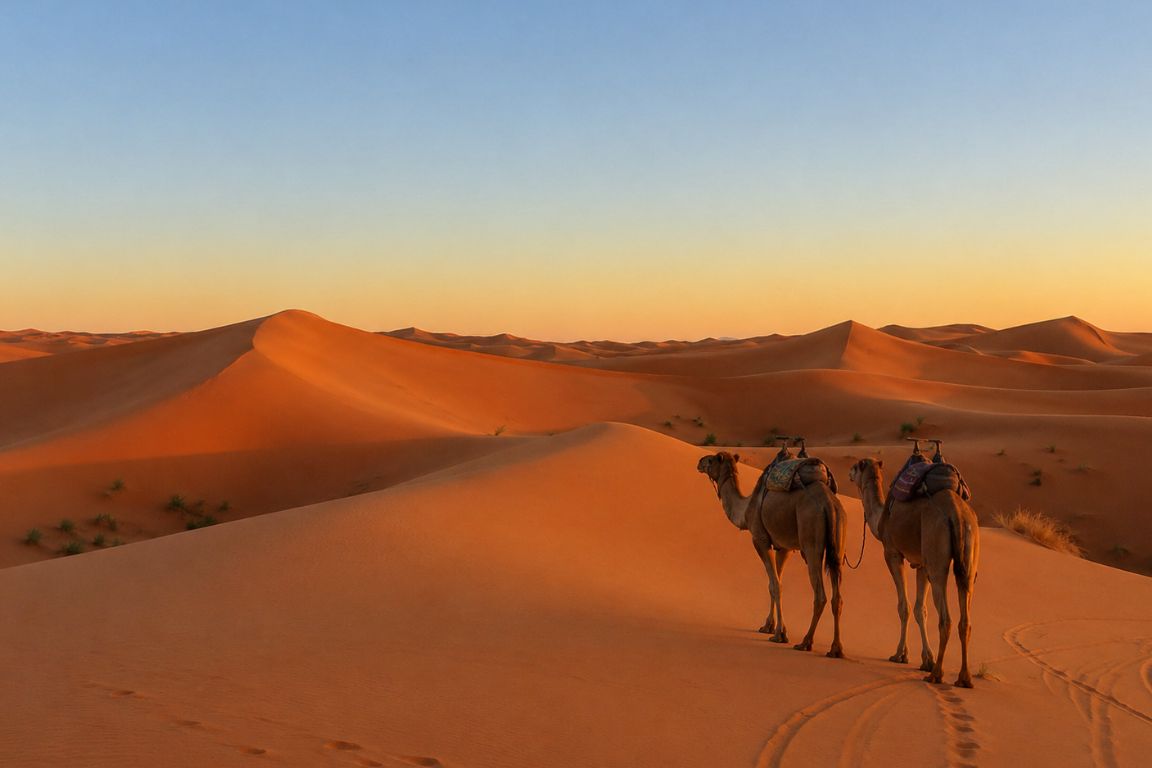 Three days is the minimum to reach Erg Chebbi and spend one night in the desert. Four days is enough for two nights and a more relaxed pace. Five days or more lets you explore properly, slow down, and actually experience the desert rather than just pass through it. The honest answer depends on which desert you’re going to and how much of the driving you can handle per day.
The distance is the thing most people don’t account for when they start planning. Erg Chebbi at Merzouga sits roughly 550 km from Marrakech. That’s a full day of driving in each direction. Which means a 3-day tour gives you one night in the desert, sandwiched between two long travel days. It works. A lot of people do it, come back satisfied, and say it was worth it. But a meaningful number of those same people also say – when you ask them honestly – that they wished they’d had more time.
What shifts at four days is rhythm. You have two nights in the desert. You wake up in the dunes once, come back from the sunrise camel ride, have breakfast, and then you still have most of a day left. That second morning is what the first morning was supposed to be before the travel fatigue wore off. You notice things differently. The light in the afternoon. How the shadows on the dunes change between 3 pm and 5 pm. The way the silence is total and not just quiet.
We’ve seen this pattern across 9,100 travelers since 2008. The ones who plan two nights in the desert leave differently than the ones who plan one. Not just happier – more settled. The experience has had time to land. If you want to see how a Marrakech-to-Merzouga itinerary is paced, check the 3-day Sahara tour to Erg Chebbi.
Planning a Sahara trip from Marrakech and not sure how to make the journey work logistically? Here’s our how to visit the Sahara Desert from Marrakech desert tours guide so you plan it properly.
What Can You Do With 2 Days In The Sahara From Marrakech?
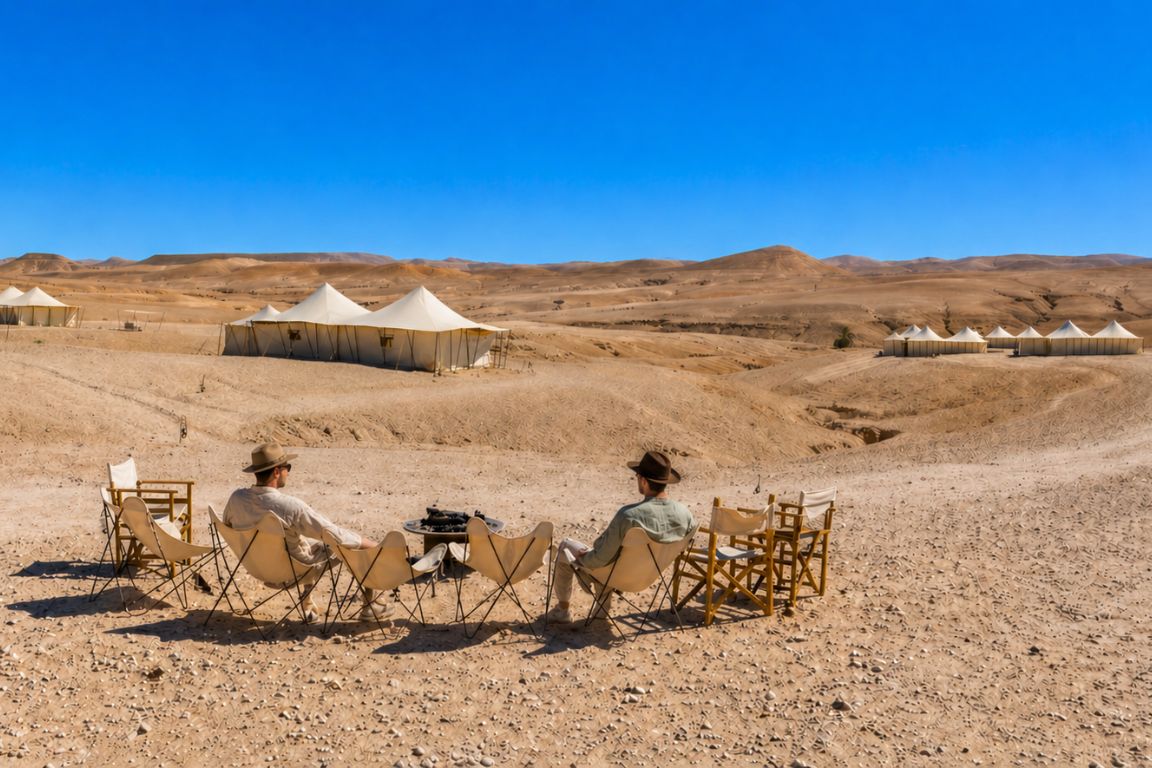 A 2-day trip from Marrakech doesn’t reach Erg Chebbi. The iconic orange dunes at Merzouga are a 9-10 hour drive and simply can’t be done in two days without spending both days entirely in a vehicle. What 2-day tours actually offer is Zagora – a desert region about 6-7 hours from Marrakech with smaller, rockier dunes. It’s a real desert experience, but it’s not the Sahara most travelers picture.
This is one of the most persistent sources of disappointment in Morocco travel forums. Someone books a 2-day desert tour, sees photos of towering orange dunes in the listing, and arrives to find a landscape that looks nothing like what was advertised. The operators aren’t always lying outright – Zagora is technically desert. But the Erg Chebbi dunes, the ones that reach 150 metres and glow amber at sunset, are not reachable in 48 hours from Marrakech. Full stop.
That said, if two days is genuinely all you have, Zagora has its merits. The Draa Valley route is one of the most beautiful drives in Morocco – date palms, ancient kasbahs, Berber villages strung along river oases. You still get a camel ride, a desert camp night, stars away from city light. You just won’t get those dunes. Know what you’re booking before you book it, and ask the operator explicitly which desert and which dune system is included in the itinerary.
One alternative worth knowing: the Agafay Desert sits 40 minutes from Marrakech and offers rocky desert scenery, sunset camel rides, and overnight camps without the long journey. It’s not the Sahara, but for travelers with one free night who want a desert experience, it serves a purpose the Zagora tour tries and often fails to fill.
Is 3 Days Enough For The Sahara Desert From Marrakech?
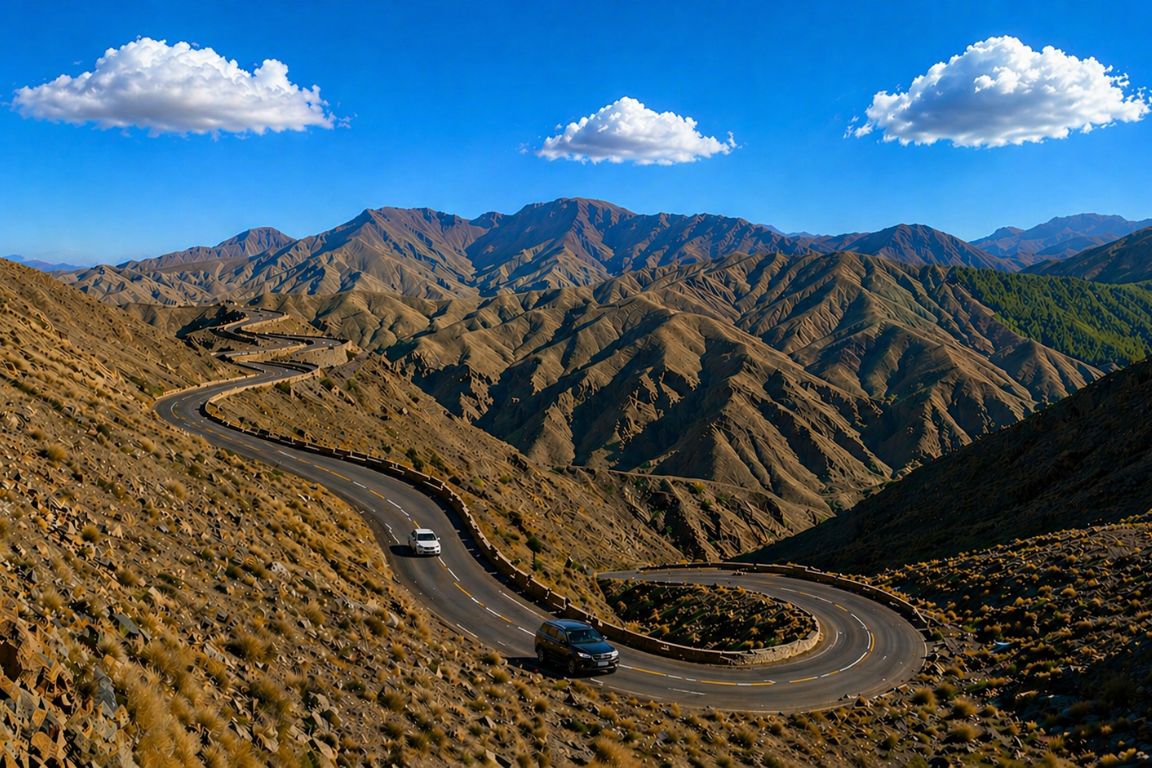 Three days gets you to Erg Chebbi and back with one night in the desert. It’s the most popular format and it works, but the pace is genuinely demanding. Day one is largely driving. Day two is the desert. Day three is driving home. You arrive having experienced the Sahara but not having had time to settle into it. For many travelers, especially those on a tighter Morocco schedule, 3 days is the right call. Just go in knowing what it is.
The standard 3-day itinerary runs like this. Day one: leave Marrakech early (7 am ideally), cross the Tizi n’Tichka pass through the High Atlas, stop at Aït Benhaddou, continue through Ouarzazate and the Dadès Valley, arrive at Merzouga by late afternoon in time for a sunset camel ride into the dunes. Day two: wake before dawn for the sunrise ride back, have breakfast, spend the morning exploring the camp and the immediate dune area, sandboarding or walking, then begin the drive north after lunch. Day three: finish the drive back to Marrakech, arriving evening.
| Day 1 | Marrakech → Aït Benhaddou → Ouarzazate → Merzouga (sunset camel ride) | ~9-10 hours with stops |
| Day 2 | Sunrise in dunes → breakfast → free time → begin return drive → overnight en route | ~4-5 hours |
| Day 3 | Continue return → Aït Benhaddou or Gorges stop → back to Marrakech | ~5-6 hours |
The 3-day format is where the most common regret lives: travelers who arrive at the camp at 5 pm, do the sunset ride, have dinner, sleep, wake at 5 am for the sunrise ride, and by 9 am are loading back into the car. Twelve to fifteen hours in the desert. It’s extraordinary and it goes very fast. The people who find it most satisfying are those who knew going in that the driving was part of the journey, not an inconvenience to be endured.
If a 3-day tour is what fits your Morocco trip, our advice is simple: leave Marrakech no later than 7 am on day one, book a private vehicle so stops are flexible, and don’t rush the Atlas crossing. That drive is one of the most dramatic in North Africa. Treating it like a commute is the wrong approach.
What Does A 4-Day Sahara Desert Tour From Marrakech Look Like?
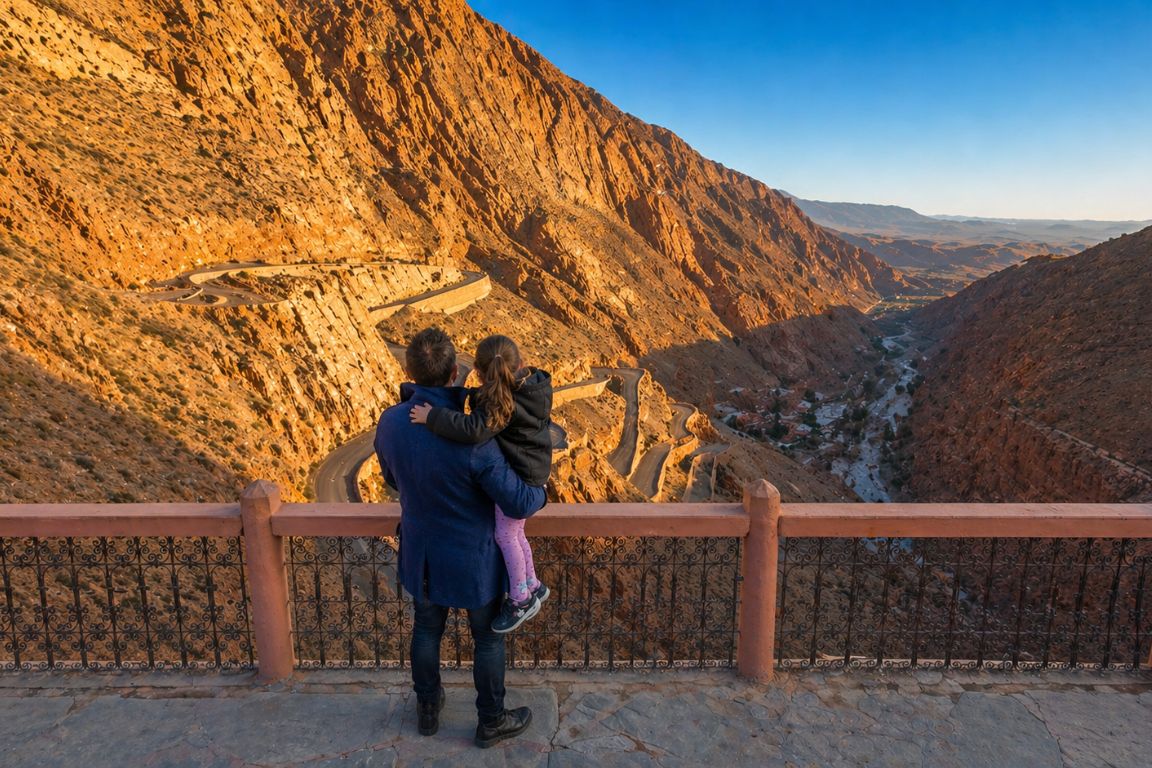 Four days gives you one night en route each direction plus two nights in the desert. The driving is split across four days rather than concentrated in two, the pace is relaxed, and you actually have time to explore what’s around you in the dunes. This is the format we recommend most consistently to first-time desert travelers, and the one where satisfaction rates in our groups are highest.
The 4-day structure typically unfolds like this. Day one: drive from Marrakech to Ouarzazate or the Dadès Valley, spending the night at a kasbah-style guesthouse with a pool. The Dadès Valley is genuinely beautiful – narrow gorges, rose plantations in season, mud-brick villages stacked up improbable cliff faces, and it’s worth arriving before dark. Day two: continue to Merzouga, arriving by early afternoon, switching to camels for the sunset ride into Erg Chebbi. First night in the desert.
Day three is the day that makes the 4-day tour worth the extra time. You’re already in the desert. You’ve slept there once. The second morning sunrise hits differently – you’re rested, you know the camp, you know which dune has the best view. Spend the day sandboarding, walking deep into the dunes before the camp crowds arrive, visiting nearby villages, fossil hunting. A second sunset. A second night of stars. Day four: the return to Marrakech, this time along a different route – some operators go via Todra Gorge or the Ziz Valley, which are spectacular.
The extra night in the desert is where the real trip happens. The first night you’re still arriving. The second night you belong there.
If you want to compare a real Erg Chebbi itinerary against a shorter trip, open the 3-day Sahara tour to Merzouga and Erg Chebbi. We’ve been doing it since 2008 – the pacing, the right camps, the routes most groups never see.
What Do You Miss If You Only Have One Night In The Desert?
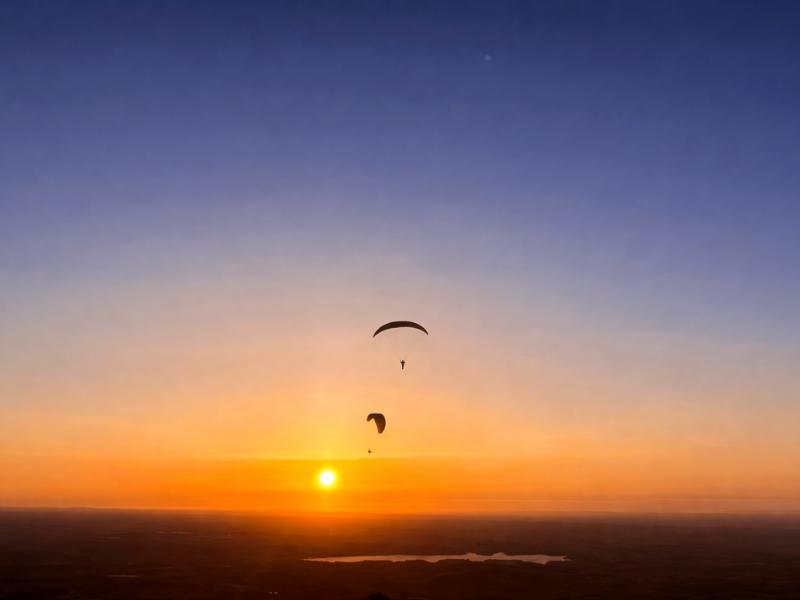
One night in the Sahara gives you a sunset camel ride, dinner, music around a fire, stars, and a sunrise. What it doesn’t give you is a full day in the dunes – the afternoon light on the sand, the long walks without a schedule, the chance to climb a dune and sit at the top for an hour with nobody else around. Most travelers with one night in the desert leave wanting more. That’s the consistent pattern.
Here’s what the second day actually unlocks. The mornings are different after the camp empties out. Most group tours leave after breakfast, so by 9 or 10 am the dunes around a popular camp can feel almost private. That’s when you want to be there. Not arriving – being there. Walking east into the sand without checking the time, watching the shadows move, understanding why people have come to deserts for thousands of years to think and pray and be still.
There are practical things you miss too. Sandboarding properly takes a few runs to get the hang of; on a one-night tour, most people are still learning as the session ends. The fossil sites near Erfoud are worth a half-day. The Gnawa music village of Khamlia, just outside Merzouga, is one of the most genuinely moving musical experiences available in the region – a short detour but impossible to fit into a 3-day itinerary that’s already stretched. Nomad family visits, where someone from your camp’s team introduces you to their family who live in the desert year-round, require time and trust that doesn’t form in 12 hours.
The pattern we see most clearly: travelers who had one night come back and say it was incredible. Travelers who had two nights say it changed something.
How Many Days Do You Need For Erg Chigaga Vs Erg Chebbi?
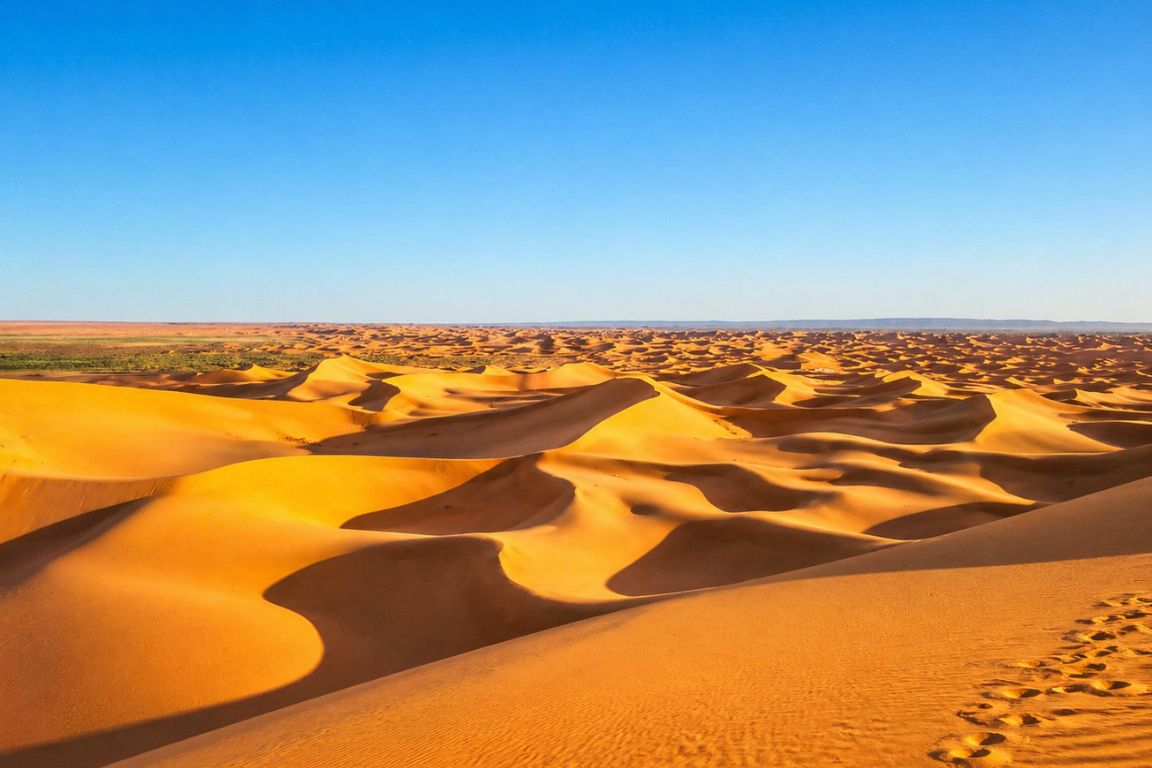 Erg Chebbi (Merzouga) can be done in 3 days from Marrakech, though 4 is better. Erg Chigaga (M’hamid) requires a minimum of 4 days and really benefits from 5 – the journey is longer, the last 60 km are off-road 4×4, and the remoteness that makes Chigaga worth visiting demands more time to fully experience.
Erg Chebbi is the accessible choice. Paved roads the entire way, 200+ camps to choose from, dunes up to 150 metres that deliver exactly the desert postcard most people picture. It’s the right choice for first-timers, families, anyone with a 3-day window, and anyone who wants luxury camp options with proper bathrooms and hot showers. The tradeoff in peak season is crowds – on a busy October weekend, the camel procession at sunset can feel like a queue rather than a journey.
Erg Chigaga is something else entirely. The dunes stretch across 60 km and 22 km wide. Practically no other camps in sight. At night, zero light pollution – not the distant amber glow you still get at some Erg Chebbi camps, but actual darkness. The 4×4 track from M’hamid is 60 km of open desert with no road signs; the route shifts with the dunes and your driver will know it or you’ll be in trouble. That remoteness is the point, and it requires the time to reach it and to be in it.
Not sure what to expect in terms of sanitation and toilet access on a multi-day desert tour from Marrakech? Check out our toilets on Marrakech desert tours guide before you book anything.
| Minimum days from Marrakech | 3 days | 4 days |
| Recommended days | 4 days | 5 days |
| Road access | Paved all the way to Merzouga | 60 km off-road 4×4 from M’hamid |
| Dune height | Up to 150 metres | Up to 120 metres |
| Camp density | 200+ camps – busy in peak season | Very few camps – deep solitude |
| Best for | First-timers, families, 3-day window | Adventurers, photographers, repeat visitors |
| Budget requirement | Budget to luxury options | Higher cost due to 4×4 logistics |
Visiting both on a single trip requires 5-7 days minimum and a route that loops south rather than backtracking. It’s logistically complex but extraordinarily rewarding for travelers with the time and appetite for it. For most first-timers, the honest advice is: go to Erg Chebbi first. Do it properly with two nights. If Morocco calls you back, and it usually does – Erg Chigaga will be there waiting.
Want to make your night in the Sahara more than just a box ticked on a Morocco itinerary? Here’s our Marrakech desert camp experience in Morocco guide so you get the most out of it.
How Far In Advance Should You Book Your Sahara Desert Tour?
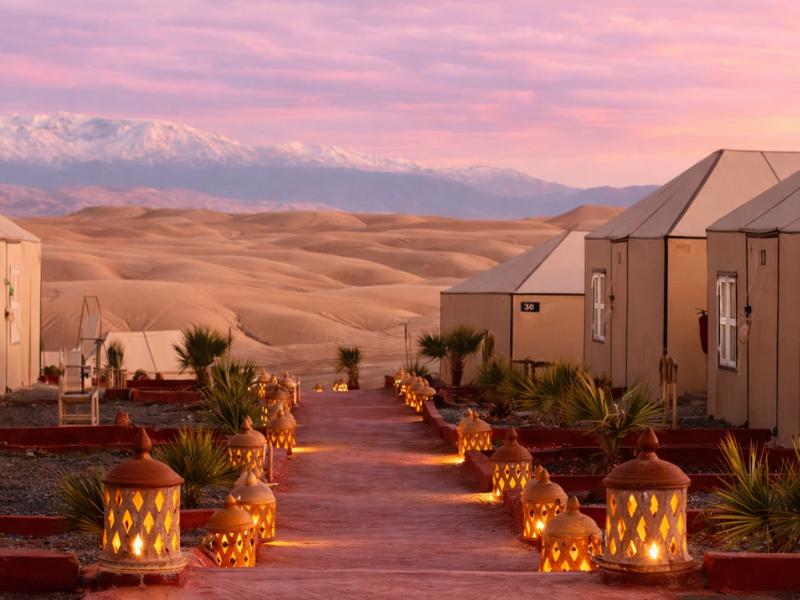
For peak season – October through November and March through May – book your Sahara tour at least 2-4 weeks in advance. Good private vehicles and quality desert camps fill up well before departure dates during these windows. In shoulder season, a week’s notice is often sufficient, but quality camps at popular price points still sell out faster than most travelers expect.
The camps are the bottleneck, not the vehicles. Most tour operators can put a 4×4 together relatively quickly. But a specific luxury camp with private-ensuite tents in a well-positioned spot away from the road – those book weeks out in October and March. If your dates are fixed and your trip is in peak season, waiting until you arrive in Marrakech to negotiate on the ground is a gamble on getting what you actually want.
That said, the flexibility argument is real. Booking in person in Marrakech will consistently get you a lower price than booking online, sometimes 30-40% lower for the same itinerary. If budget is the priority and your dates are flexible, this trade-off is worth it. If you have specific requirements – a private camp, a certain dune system, traveling with children or limited mobility – book in advance with an operator who can guarantee those details in writing.
A practical guide by season: for October, book in September. For March and April, book in February at the latest. November, December, January, and February are more relaxed – a week to ten days ahead is usually enough. Summer (June through August) rarely sells out because demand is low due to the extreme heat, but if you’re going then, confirm the camp has proper shade and ventilation before committing.
We’ve put together a full seasonal breakdown in our best time to visit Marrakech desert tours guide so you know exactly when to go based on your priorities and tolerance for extreme temperatures.
What Our Traveler Data Shows About Trip Length And Satisfaction
After guiding over 9,100 travelers since 2008, patterns about trip length and satisfaction are clear. The table below reflects observations from our 2024 client groups.
| Travelers who booked 4+ days vs 3 days and rated experience “exceeded expectations” | 92% vs 65% |
| Most common feedback from 3-day tour travelers | 78% said they wished they had one more night in the desert |
| Travelers who returned to Morocco within 3 years for a second trip | 40% |
| First-time desert travelers who upgraded to Erg Chigaga on a second visit | 65% |
| Travelers who said the drive itself was part of what they valued | 85% |
Frequently Asked Questions
Can you see the Sahara in one day from Marrakech?
No. The drive to Erg Chebbi alone is 9-10 hours each way, making a day trip physically impossible. Even Zagora, the closest desert, takes 6-7 hours one way. Any worthwhile desert experience from Marrakech requires a minimum of 2 nights away from the city, and 3 nights is what most travelers actually need.
Is 3 days enough for Merzouga?
Three days gets you there and gives you one night in the desert at Erg Chebbi. It’s the most popular option and genuinely works if your Morocco schedule is tight. The honest tradeoff: both driving days are long and you get approximately 12-15 hours in the dunes before the return begins. Most people come back satisfied but wishing they’d had more time. Four days is better.
What is the difference between a 3-day and 4-day Sahara tour?
The key difference is one extra night in the desert. A 3-day tour gives you one night in the dunes. A 4-day tour gives you two. The second night means a full day in the desert – a morning after the camp empties, afternoon light on the dunes, a second sunset and sunrise. The driving is also split more comfortably across four days rather than concentrated in two very long travel days.
How many days do you need for Erg Chigaga?
At least 4 days from Marrakech, ideally 5. Erg Chigaga requires a longer journey than Erg Chebbi, including 60 km of off-road 4×4 travel from the town of M’hamid. The remoteness that makes it extraordinary also demands more time to reach and more time to properly experience. Rushing a Chigaga trip defeats its entire purpose.
Is it worth spending more than 2 nights in the desert?
For most travelers, two nights in the desert is the right amount. One night is always too short; three nights is wonderful but more time than most Morocco itineraries can accommodate. The pattern we see consistently: one night leaves people wanting more, two nights leaves people settled, three nights or more is for serious desert travelers who have come specifically for a deep experience.
Should I book a Sahara tour in advance or wait until Marrakech?
In peak season (October-November, March-May), book at least 2-4 weeks ahead. In shoulder or low season, booking in person in Marrakech is often cheaper by 30-40%. If you have specific requirements – private luxury camp, Erg Chigaga, family with young children – book in advance with a reputable operator who can guarantee those details. If budget is the main factor and dates are flexible, the in-person approach can work well.
We’ve been running 3-day, 4-day, and 5-day desert routes since 2008, across Erg Chebbi, Erg Chigaga, and everything in between. If you want to see a current Merzouga itinerary and how the driving days are split, check the 3-day Sahara tour to Erg Chebbi.
Written by Yasmin Carter
Moroccan tour guide since 2008 · Founder, Marrakech Desert Tours
Yasmin has guided over 9,100 travelers through the Sahara, Atlas Mountains, and Moroccan desert routes since founding the agency.
Choose Your Marrakech Desert Trip
Have your travel dates in mind? Check this two-night Merzouga itinerary before arranging separate hotels and transport.
Compare Routes And Tailor Your Choice
General guidance until you choose. English is offered on these routes. All return to Marrakech; confirm the exact meeting point and option before payment.
Three days: Shared minibus, one Tinghir hotel night and one Erg Chebbi camp night. Outside camp toilets.
Four days, two desert nights: Shared standard or deluxe camp; Upgrade to Private supplies a private vehicle. Day four is a long return.
Four days, split return: Private transport, one camp night and two hotel nights. Private bathrooms; less time at the dunes.
One evening: Six-hour Agafay sunset, dinner and bonfire. Returns the same night; not the Sahara.
Four Days, Two Desert Nights
Two nights in Merzouga, camel rides, sandboarding and a nomad visit; choose Deluxe Camp for a private bathroom.
Shared vehicle unless Upgrade to Private is selected. Long return drive on day four. Drinks and tips extra.
Check Dates: Four Days, Two Desert Nights